Introduction
Herbal plants are used in homes, gardens, and traditional systems for daily care practices. These plants are grown for leaves, stems, roots, or flowers that are used in different forms. Many households keep herbal plants for cooking, cleaning routines, and basic wellness use.
This guide explains herbal plants, how they are grown, how they are maintained, and how they are used in simple home systems. The focus is on practical gardening and plant care methods.
What Herbal Plants Are
Herbal plants are plants that are used in traditional systems for non-industrial purposes. They are grown for:
- Leaves
- Roots
- Stems
- Flowers
These parts are used in household routines.
How Herbal Plants Work in Daily Use
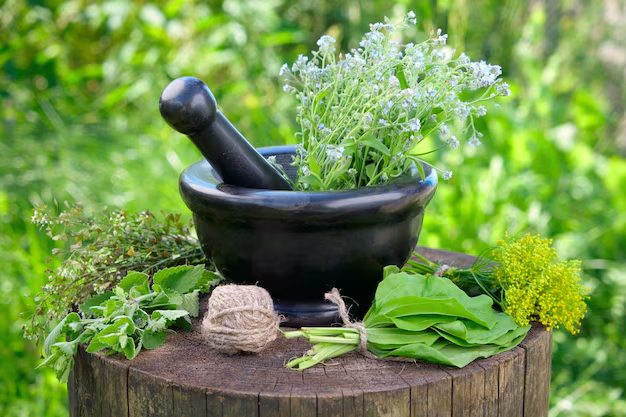
Herbal plants are not processed like industrial products. They are used in simple forms such as:
- Fresh leaves
- Dried plant parts
- Plant extracts
- Home preparation methods
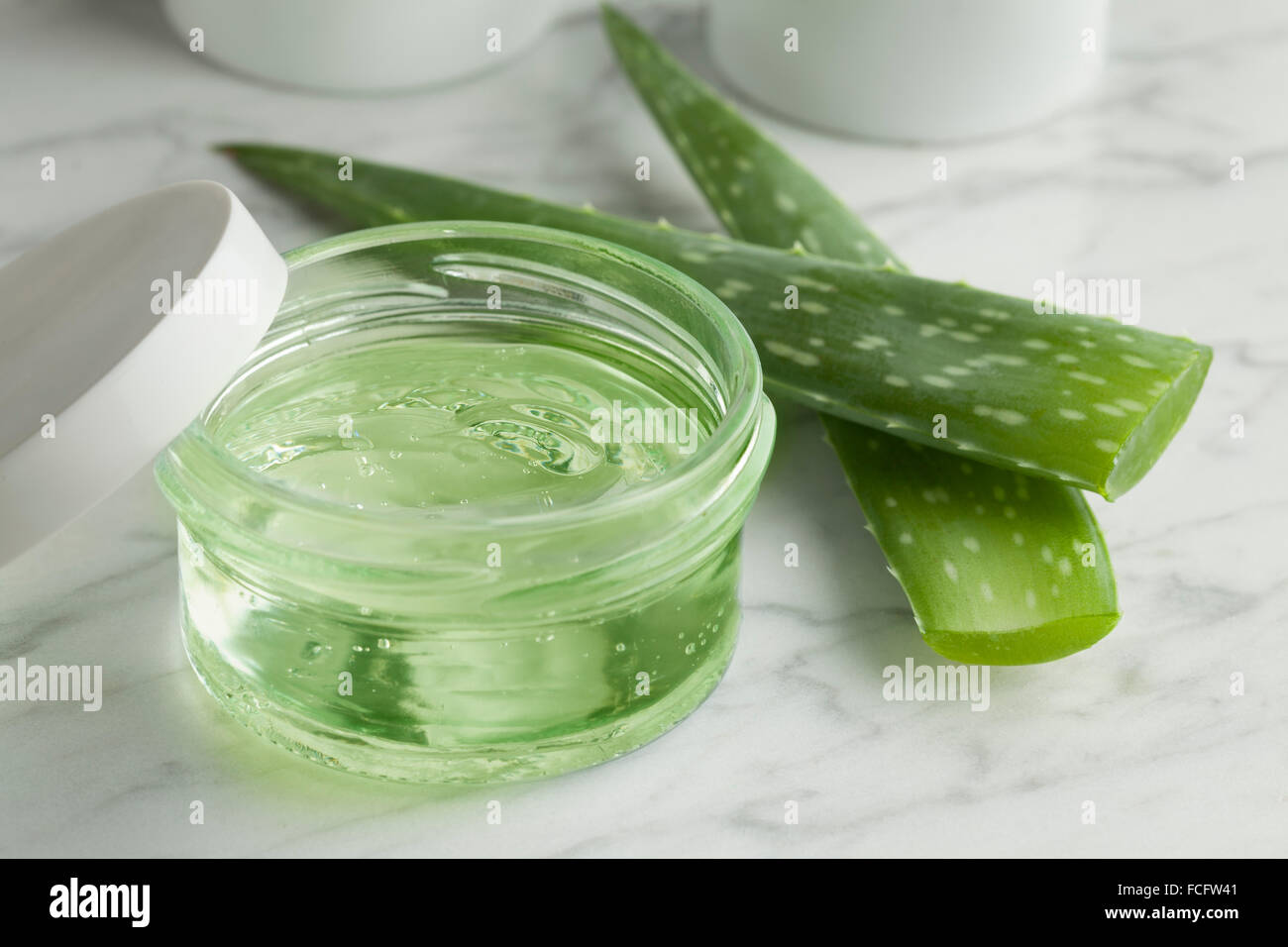
1 Aloe Vera
Aloe vera is a common herbal plant grown in pots and gardens.
Growth Pattern
It grows in clusters and stores water in leaves.
Home Use
- Skin care use
- Simple gel extraction
- Household routines
Care Method
- Low water requirement
- Sunlight exposure
- Drainage soil
2 Basil Plant
Basil is used in food systems and traditional practices.
Growth Pattern
It grows from seeds and produces leaves continuously.
Home Use
- Cooking use
- Herbal preparation
- Household applications
Care Method
- Regular watering
- Sunlight exposure
- Nutrient soil
3 Mint Plant
Mint spreads quickly in soil systems.
Growth Pattern
It expands through underground stems.
Home Use
- Food use
- Simple drinks
- Household use
Care Method
- Moist soil
- Partial shade
- Regular trimming
4 Neem Plant
Neem is a tree used in traditional systems.
Growth Pattern
It grows slowly and becomes stable over time.
Home Use
- Leaf-based use
- Cleaning systems
- Traditional routines
Care Method
- Sunlight exposure
- Deep soil support
- Low water requirement
5 Turmeric Plant
Turmeric grows from underground rhizomes.
Growth Pattern
It develops below soil and produces stems above ground.
Home Use
- Cooking use
- Traditional systems
- Household applications
Care Method
- Warm soil
- Moderate watering
- Partial sunlight
6 Ginger Plant
Ginger grows underground in horizontal spread.
Growth Pattern
It produces shoots above soil.
Home Use
- Cooking use
- Herbal drinks
- Traditional preparation
Care Method
- Moist soil
- Shade area
- Controlled watering
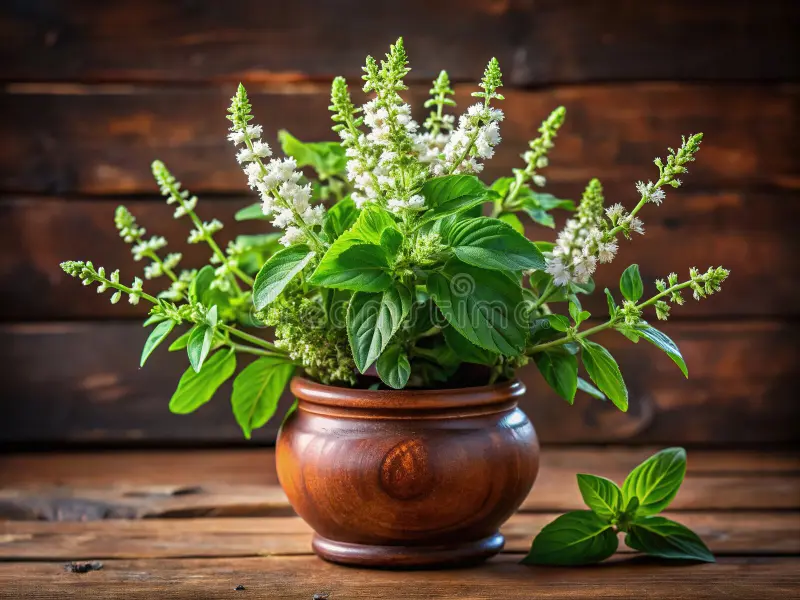
7 Tulsi Plant
Tulsi is used in household systems.
Growth Pattern
It grows as a small bush and produces leaves regularly.
Home Use
- Herbal preparation
- Household routines
- Traditional use
Care Method
- Sunlight exposure
- Regular watering
- Nutrient soil
8 Lemongrass
Lemongrass grows in clumps.
Growth Pattern
It spreads through root systems.
Home Use
- Herbal drinks
- Household use
- Simple preparation
Care Method
- Sunlight exposure
- Moist soil
- Drainage support
9 Curry Leaves Plant
Curry leaves plant is used in cooking systems.
Growth Pattern
It grows as a shrub or small tree.
Home Use
- Cooking use
- Household food preparation
- Traditional use
Care Method
- Sunlight exposure
- Moderate watering
- Nutrient soil
10 Rosemary Plant
Rosemary grows in shrub form.
Growth Pattern
It produces needle-like leaves and grows slowly.
Home Use
- Cooking use
- Herbal systems
- Household applications
Care Method
- Sunlight exposure
- Low water requirement
- Well draining soil
Soil System for Herbal Plants
Soil supports root activity.
Soil Function
- Stores nutrients
- Supports roots
- Controls water flow
Soil Preparation
- Remove debris
- Mix organic matter
- Maintain drainage
Watering System
Watering must be controlled.
Basic Rule
Water only when soil becomes dry.
Method
- Check soil before watering
- Add water at root level
- Avoid excess watering
Light Requirement
Light controls plant function.
Full Sun Plants
- Neem
- Tulsi
- Rosemary
Partial Sun Plants
- Mint
- Ginger
- Turmeric
Indoor Plants
- Aloe vera
- Basil
Container Gardening System
Herbal plants can grow in containers.
Container Requirement
- Drainage holes
- Proper size
- Stable base
Benefit
- Easy maintenance
- Space control
- Mobility
Maintenance Routine
Weekly Tasks
- Check soil condition
- Remove dry leaves
- Observe plant growth
Monthly Tasks
- Soil improvement
- Plant spacing check
- Container cleaning
Seasonal Care System
Summer
- Increased water need
- Soil dries faster
Winter
- Reduced watering
- Slow growth
Rainy Season
- Drainage control
- Avoid excess water
Common Problems in Herbal Plants
Overwatering
Causes root damage.
Low Light
Reduces plant growth.
Poor Soil
Affects nutrient supply.
No Routine Care
Leads to slow decline.
Plant Combination System
Plants are grouped based on:
- Water requirement
- Light requirement
- Growth speed
Indoor Herbal Plant Setup
Location
- Near windows
- Table tops
- Kitchen areas
Care Focus
- Light balance
- Water control
- Air movement
Outdoor Herbal Plant Setup
Location
- Garden areas
- Balcony
- Open soil spaces
Care Focus
- Sunlight exposure
- Rain control
- Soil drainage
Simple Herbal Garden System
Step 1
Select plant type.
Step 2
Prepare soil mix.
Step 3
Choose container or ground area.
Step 4
Place in suitable light.
Step 5
Follow watering routine.
Long Term Care System
Herbal plants remain stable when:
- Soil is maintained
- Water is controlled
- Light is balanced
- Routine is followed
Conclusion
Herbal plants are part of home systems that support daily use in cooking, care routines, and traditional practices. Aloe vera, basil, mint, neem, turmeric, ginger, tulsi, lemongrass, curry leaves, and rosemary are commonly used plants.
With correct soil, watering, light, and maintenance, herbal plants can grow steadily in home environments and remain useful over time.