Introduction
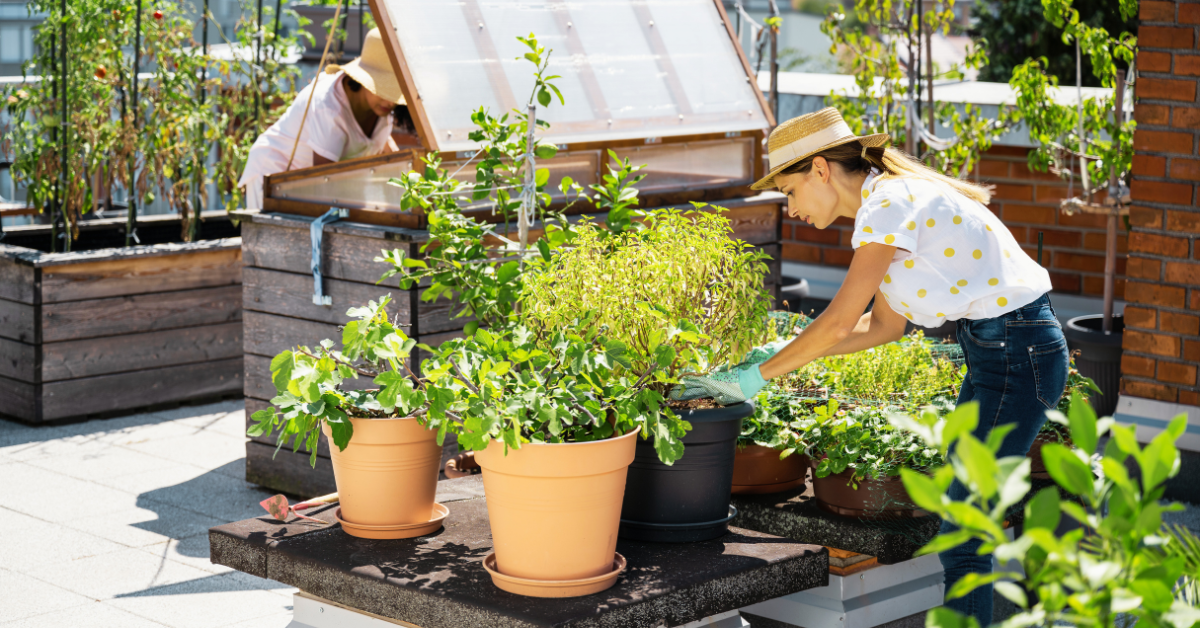
Pest attack on plants is a common issue in indoor and outdoor gardening. Many plants show damage in leaves, stems, or soil before the problem is fully noticed. In most cases, pests affect plant health slowly, and the signs are ignored until the plant becomes weak.
This guide explains how pest attacks happen, how to identify them, and how to fix them using simple methods. The focus is on practical steps that can be used at home without complex tools.
Understanding Plant Pests
Pests are small organisms that feed on plant parts. They affect:
- Leaves
- Stems
- Roots
- Soil surface
Common plant pests include insects, mites, and small soil organisms.
How Pest Attack Starts
Pest problems usually start in small areas and spread over time.
Common Entry Points
- New infected plants
- Open windows and gardens
- Soil contamination
- Poor plant maintenance
Early Signs of Pest Attack
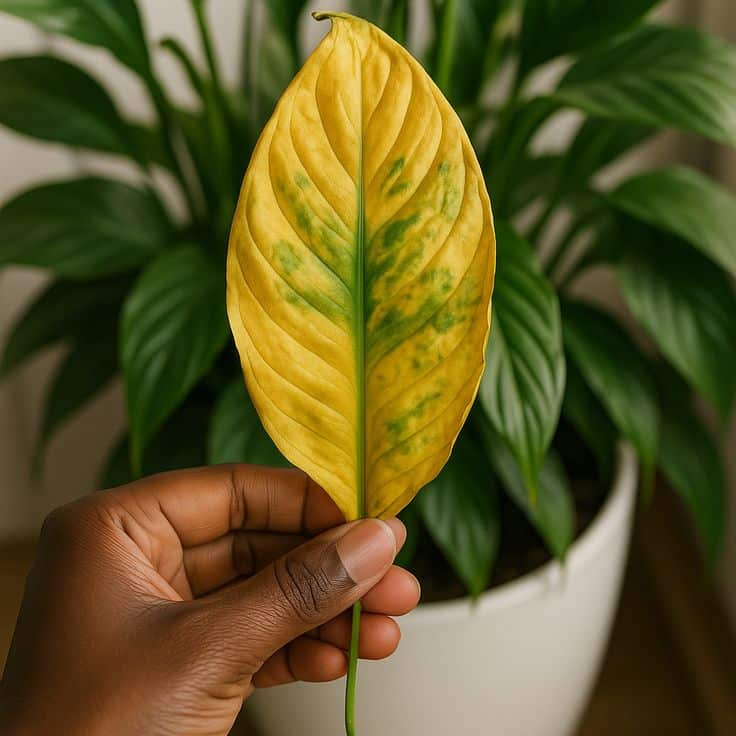
Leaf Damage
- Small holes in leaves
- Sticky surface
- Leaf curling
- Color change
Stem Signs
- Weak structure
- Sticky residue
- Small insects on stem
Soil Signs
- Small insects in soil
- Slow plant growth
- Root damage signs
Step 1 Identify Type of Pest
Correct identification helps in fixing the problem.
Common Types
- Aphids
- Spider mites
- Mealybugs
- Whiteflies
- Fungus gnats
Step 2 Isolate Affected Plant
Isolation stops spread to other plants.
Method
- Move plant away from others
- Place in separate area
- Monitor daily
Step 3 Clean Plant Surface
Cleaning removes surface pests.
Method
- Wipe leaves with water
- Remove visible insects manually
- Clean stem area
Step 4 Control Watering System
Water conditions affect pest growth.
Overwatering Effect
- Soil stays wet
- Pest growth increases
Fix Method
- Reduce watering
- Check soil before watering
- Improve drainage
Step 5 Improve Air Movement
Airflow reduces pest activity.
Method
- Place plant in ventilated area
- Avoid closed corners
- Allow natural air circulation
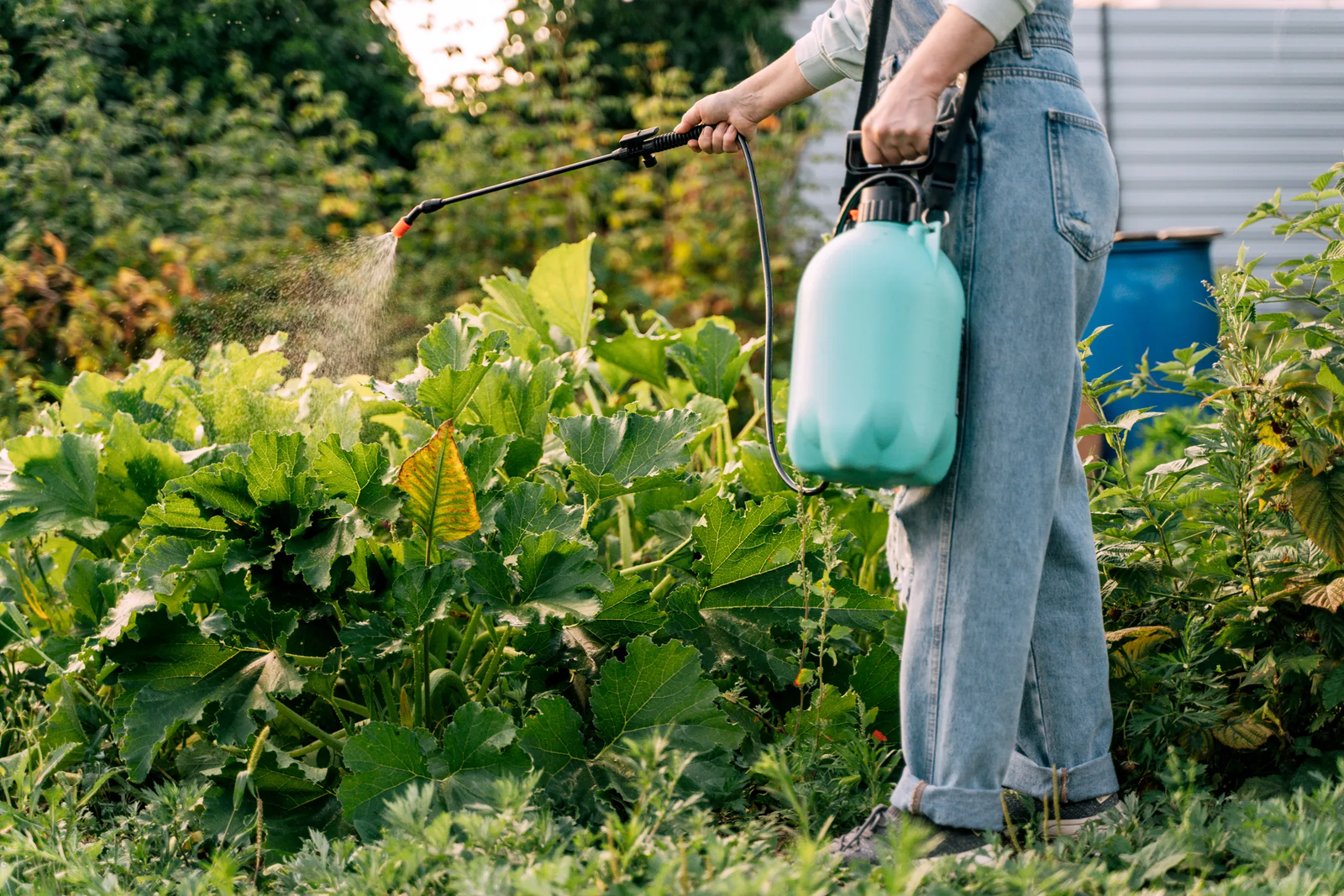
Step 6 Use Natural Cleaning Solutions
Simple home methods help reduce pests.
Method
- Water spray on leaves
- Mild soap water solution
- Neem-based solution
Step 7 Remove Infected Parts
Damaged parts support pest growth.
Method
- Cut affected leaves
- Remove weak stems
- Dispose of infected material
Step 8 Treat Soil
Pests often stay in soil.
Method
- Replace top soil layer
- Dry soil before watering
- Add clean soil mix
Step 9 Check Nearby Plants
Pests spread quickly.
Method
- Inspect all nearby plants
- Clean affected areas
- Separate infected plants
Step 10 Monitor Plant Recovery
Recovery needs observation.
Weekly Check
- Leaf condition
- Soil condition
- New pest activity
Indoor Plant Pest Problems
Indoor plants face limited airflow and light.
Common Issues
- Fungus gnats
- Mealybugs
- Spider mites
Fix Method
- Improve ventilation
- Reduce watering
- Clean leaves regularly
Outdoor Plant Pest Problems
Outdoor plants face environmental exposure.
Common Issues
- Insects from soil
- Leaf-eating pests
- Environmental spread
Fix Method
- Regular inspection
- Natural pest control
- Soil management
Soil and Pest Relationship
Soil condition affects pest growth.
Wet Soil
- Supports pest reproduction
- Slows root function
Dry Soil
- Reduces pest activity
- Improves plant resistance
Common Pest Mistakes
- Ignoring early signs
- Overwatering soil
- Not cleaning leaves
- Mixing infected plants
Simple Pest Control System
Step 1
Observe plant daily condition.
Step 2
Identify pest type.
Step 3
Isolate affected plant.
Step 4
Clean leaves and stems.
Step 5
Adjust watering and soil.
Natural Prevention Methods
Regular Cleaning
Removes dust and pests.
Controlled Watering
Prevents soil moisture buildup.
Proper Spacing
Reduces spread between plants.
Pest Recovery Timeline
Early Stage
- Small damage visible
Mid Stage
- Leaf recovery begins
Late Stage
- Plant stabilizes
Long Term Pest Prevention
Weekly Routine
- Inspect leaves
- Check soil
- Clean plant surface
Monthly Routine
- Soil improvement
- Plant spacing check
- Growth monitoring
Indoor Pest Prevention System
- Maintain airflow
- Avoid overwatering
- Clean plant leaves regularly
Outdoor Pest Prevention System
- Monitor weather effects
- Check soil condition
- Control plant spacing
Conclusion
Pest attack on plants is a common issue in gardening. Most problems start with small signs such as leaf changes, soil activity, or slow growth. When these signs are ignored, pests spread and affect the full plant system.
Simple actions like isolation, cleaning, watering control, and soil management can fix most pest problems. Regular observation is the main method to prevent pest attack and maintain plant health over time.