Introduction
Plant growth depends on a system that includes soil, water, light, and routine care. Many people grow plants by following random actions, which leads to weak growth or plant failure. A structured approach helps plants stay stable over time.
This article explains a smart method for growing plants. It focuses on practical steps that work for indoor and outdoor gardening. The goal is to build a simple system that supports healthy plant development.
Understanding Plant Growth System
Plants grow through a connected system:
- Roots absorb water and nutrients
- Soil provides support and storage
- Leaves manage energy from light
- Stem connects all parts
When these parts work together, plants stay stable.
Step 1 Select Right Plant
Plant selection affects growth outcome.
Selection Factors
- Climate compatibility
- Space availability
- Light conditions
- Water requirement
Basic Rule
Choose plants that match the environment.
Step 2 Prepare Soil System
Soil is the base of plant growth.
Soil Functions
- Holds roots
- Stores nutrients
- Controls water flow
Soil Types
- Sandy soil
- Clay soil
- Mixed soil
Soil Requirement
Soil must allow drainage and airflow.
Step 3 Water Management System
Water affects root health.
Basic Rule
Water only when soil is dry.
Method
- Check soil condition
- Add water at root level
- Avoid excess watering
Common Issue
Fixed watering schedules cause imbalance.
Step 4 Light Management System
Light controls plant energy.
Light Types
- Direct light
- Indirect light
Placement
- Match plant with light level
- Avoid dark areas for most plants
Step 5 Container System
Containers control root space and drainage.
Requirement
- Drainage holes
- Proper size
- Stable base
Problem Without Drainage
- Water accumulation
- Root damage
Step 6 Plant Spacing System
Spacing affects airflow and growth.
Rule
- Maintain distance between plants
- Avoid overcrowding
Result
- Better air movement
- Reduced stress
Step 7 Nutrient System
Plants need nutrients from soil.
Sources
- Compost
- Organic matter
- Soil additives
Rule
Use nutrients in small amounts over time.
Step 8 Growth Monitoring System
Observation helps control plant health.
Weekly Check
- Soil condition
- Leaf condition
- Growth activity
Monthly Check
- Root condition
- Soil quality
- Plant structure
Step 9 Pest Management System
Pests affect plant function.
Signs
- Leaf damage
- Sticky surface
- Slow growth
Basic Fix
- Remove affected parts
- Clean plant surface
- Check soil condition
Step 10 Seasonal Management System
Seasons affect plant behavior.
Summer
- Increased water need
- Faster growth
Winter
- Reduced water need
- Slow growth
Rainy Season
- Drainage control required
Step 11 Indoor Plant System
Indoor plants depend on controlled environment.
Focus Areas
- Light placement
- Water control
- Air movement
Common Issue
Low airflow affects growth.
Step 12 Outdoor Plant System
Outdoor plants depend on natural conditions.
Focus Areas
- Weather changes
- Soil drainage
- Sunlight exposure
Step 13 Plant Growth Stages
Plants grow in phases.
Stage 1
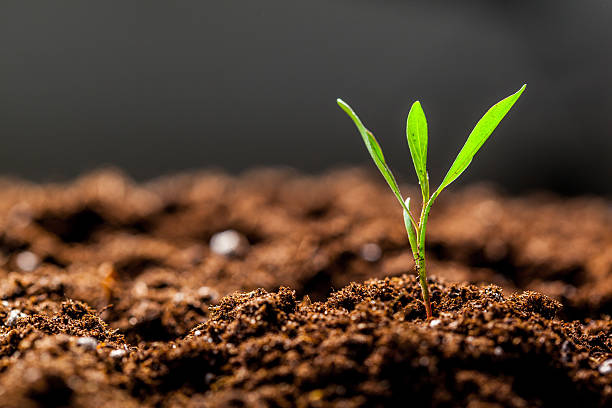
Seed or small plant stage.
Stage 2
Root development stage.
Stage 3
Leaf and stem growth stage.
Stage 4
Stable growth stage.
Step 14 Simple Care Routine
Daily Observation
- Check plant condition
Weekly Routine
- Soil check
- Water adjustment
- Leaf inspection
Monthly Routine
- Soil improvement
- Plant spacing review
Step 15 Common Plant Problems
Overwatering
Causes root damage and weak growth.
Underwatering
Stops plant development.
Poor Soil
Affects nutrient flow.
Wrong Placement
Affects light exposure.
Step 16 Recovery System
Step 1
Identify problem in soil, water, or light.
Step 2
Fix watering system.
Step 3
Improve soil condition.
Step 4
Adjust light placement.
Step 5
Monitor progress.
Step 17 Smart Gardening System
A smart system is based on observation and adjustment.
Core Principles
- Check soil before watering
- Match plant with environment
- Maintain spacing
- Monitor regularly
Step 18 Long Term Stability
Plants remain stable when:
- Soil is maintained
- Water is controlled
- Light is balanced
- Routine is followed
Conclusion
Growing healthy plants requires a structured system. Water, soil, light, and observation must work together. Most plant problems come from missing basic steps or using random care methods.
A smart approach based on checking soil, controlling water, and adjusting light helps plants grow in a stable way in both indoor and outdoor environments.