Introduction
Plants show signals when something is wrong. Many people notice problems after the plant condition becomes severe. At that stage, recovery becomes harder. The key is to understand early signals and take action before the plant system stops working.
This article explains how to save a plant before it reaches a critical stage. It focuses on soil, water, light, roots, and routine care. The goal is to provide a clear method that can be used for indoor and outdoor plants.
Understanding Plant Decline
Plant decline happens when one or more parts of the plant system stop working properly. These parts include:
- Roots
- Soil
- Water flow
- Light absorption
- Air movement
When imbalance continues, plant condition reduces step by step.
Early Signals of Plant Problems
Leaf Signals
- Drooping leaves
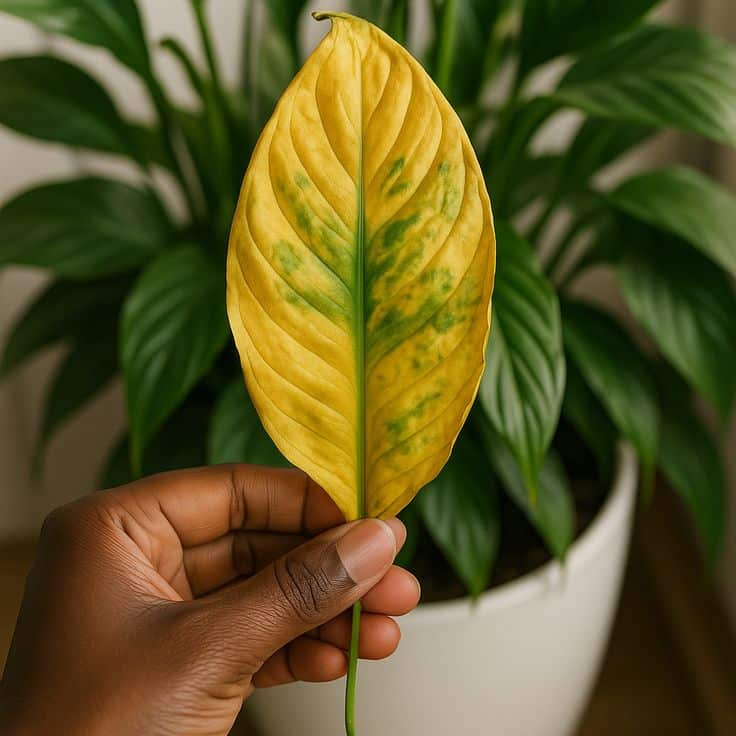
- Yellow leaves
- Dry edges
- Falling leaves
Soil Signals
- Soil stays wet for long time
- Soil becomes too dry
- Hard surface formation
Growth Signals
- No new leaves
- Slow stem development
- Weak structure
Step 1 Check Soil Condition
Soil is the main indicator of plant health.
Wet Soil Problem
- Roots lose oxygen
- Rot begins
- Plant system slows
Dry Soil Problem
- Water flow stops
- Leaves lose structure
Fix Method
- Check soil before watering
- Adjust water amount
- Improve drainage
Step 2 Fix Watering System
Watering affects root function.
Common Issue
- Water given on fixed schedule
- No soil check before watering
Result
- Overwatering or underwatering
Fix Method
- Water only when soil is dry
- Apply water slowly
- Avoid excess water in pot
Step 3 Check Root Condition
Roots control plant survival.
Root Problems
- Rotting roots
- Dry roots
- Crowded roots
Fix Method
- Remove plant from pot carefully
- Inspect root system
- Cut damaged parts
- Replant in fresh soil
Step 4 Adjust Light Exposure
Light controls plant energy production.
Low Light
- Slow growth
- Weak leaves
Excess Light
- Leaf damage
- Stress in plant system
Fix Method
- Place plant near light source
- Avoid direct harsh exposure
- Rotate plant regularly
Step 5 Improve Soil Quality
Soil provides nutrients and support.
Soil Problems
- Lack of nutrients
- Poor drainage
- Compacted structure
Fix Method
- Replace top soil layer
- Add organic matter
- Improve drainage material
Step 6 Remove Damaged Parts
Dead parts affect plant recovery.
What to Remove
- Dry leaves
- Weak stems
- Rotting sections
Result
- Energy moves to healthy parts
Step 7 Control Container System
Container affects root space.
Problems
- No drainage holes
- Small pot for large plant
- Water accumulation
Fix Method
- Use pot with drainage
- Match pot size with plant
- Repot when needed
Step 8 Stabilize Environment
Plants react to sudden changes.
Stress Factors
- Frequent movement
- Temperature change
- Low airflow
Fix Method
- Keep plant in stable location
- Avoid moving plant often
- Maintain airflow
Step 9 Check Nutrient Balance
Plants need nutrients from soil.
Signs of Low Nutrients
- Slow growth
- Weak leaves
Fix Method
- Add compost
- Improve soil quality
- Avoid overuse of fertilizer
Step 10 Monitor Recovery Progress
Recovery requires time and observation.
Weekly Check
- Leaf condition
- Soil moisture
- Growth changes
Monthly Check
- Root development
- Soil condition
- Plant structure
Indoor Plant Emergency System
Indoor plants face limited airflow and light.
Common Issues
- Low light exposure
- Overwatering
- Poor ventilation
Fix Method
- Move near window
- Reduce water use
- Improve air movement
Outdoor Plant Emergency System
Outdoor plants face environmental stress.
Common Issues
- Rain damage
- Heat exposure
- Soil erosion
Fix Method
- Control water flow
- Improve soil drainage
- Adjust plant location
Recovery Timeline
Plant recovery depends on damage level.
Early Stage
- Leaf stability returns
Mid Stage
- New growth appears
Late Stage
- Plant system stabilizes
Common Mistakes During Recovery
Overwatering
Slows recovery process.
Frequent Changes
Prevents stability.
Ignoring Soil Condition
Delays improvement.
Removing Too Much Growth
Reduces plant energy.
Simple Plant Rescue System
Step 1 Observe
Check plant condition closely.
Step 2 Identify Problem
Find issue in soil, water, or light.
Step 3 Fix Water and Soil
Correct imbalance.
Step 4 Adjust Light
Place plant in suitable location.
Step 5 Monitor Weekly
Track improvement.
Long Term Stability After Recovery
Plant survival depends on maintenance.
Key Points
- Stable watering
- Proper soil care
- Correct light exposure
- Regular observation
Prevention System
Weekly Routine
- Soil check
- Leaf inspection
- Water adjustment
Monthly Routine
- Soil improvement
- Pot check
- Root observation
Conclusion
Plants show signals before they reach a critical stage. Most plant loss happens because signals are ignored. Watering errors, soil issues, light imbalance, and root damage are main causes of decline.
A simple system based on observation, soil checking, and controlled watering can save most plants. When problems are identified early, recovery becomes possible and plant stability improves over time.