Introduction
A mini succulent garden is a small plant setup that uses succulents in containers or small spaces. It is used in homes, offices, balconies, and desks. Many beginners start with succulents because they require simple care and do not need frequent watering.
This guide explains how to build mini succulent gardens, how to arrange plants, how to maintain them, and how to avoid common mistakes. The focus is on practical steps that work in real conditions.
Understanding Mini Succulent Gardens
A mini succulent garden is a collection of small succulent plants placed in a controlled space. It can be a pot, tray, glass container, or any shallow structure.
Main features:
- Small space usage
- Multiple plant arrangement
- Controlled soil system
- Limited watering needs
Why Mini Succulent Gardens Are Used
Mini gardens are used for:
- Space management
- Indoor decoration
- Simple plant care
- Learning plant basics
- Low maintenance setup
They help beginners understand plant behavior.
Step 1 Choosing Container
Container selection affects plant health.
Container Types
- Clay pots
- Ceramic bowls
- Wooden trays
- Glass containers with open top
Requirement
- Drainage holes preferred
- Proper depth for roots
- Stable base
Step 2 Soil Selection
Soil supports root function and water control.
Soil Type
- Sand mixed soil
- Cactus soil mix
- Well draining soil
Function
- Controls water flow
- Supports root growth
- Prevents water buildup
Step 3 Selecting Succulent Plants
Succulent plants used in mini gardens include:
Common Types
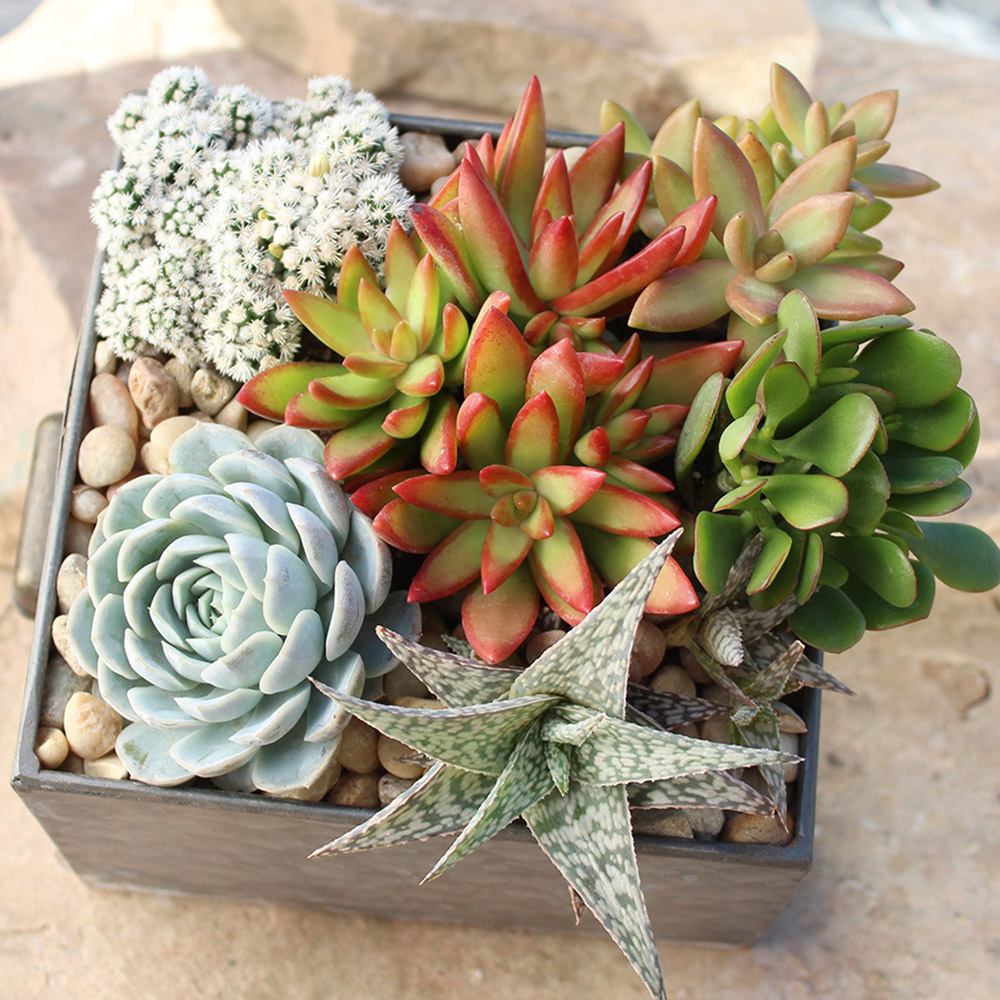
- Aloe vera small variety
- Echeveria
- Jade plant
- Haworthia
- Sedum
Selection Rule
- Choose plants with similar water needs
- Avoid mixing fast and slow growing types
Step 4 Arrangement Planning
Arrangement affects plant balance.
Layout Options
- Circular arrangement
- Row arrangement
- Cluster arrangement
- Mixed height arrangement
Space Rule
- Keep space between plants
- Avoid overcrowding
Step 5 Planting Process
Step 1
Fill container with soil mix.
Step 2
Place plants in selected positions.
Step 3
Cover roots with soil.
Step 4
Press soil lightly to stabilize plants.
Step 6 Watering System
Watering must be controlled.
Basic Rule
Water only when soil is dry.
Method
- Add water directly to soil
- Avoid water on leaves
- Allow drainage after watering
Step 7 Light Placement
Light affects succulent growth.
Indoor Placement
- Near window
- Side table near light source
Outdoor Placement
- Balcony
- Open space with sunlight
Step 8 Maintenance Routine
Mini succulent gardens need simple care.
Weekly Tasks
- Check soil condition
- Remove dry leaves
- Check plant position
Monthly Tasks
- Soil check
- Container cleaning
- Plant spacing adjustment
Step 9 Common Mini Garden Styles
Desk Garden
Small container placed on table.
Tray Garden
Flat container with multiple plants.
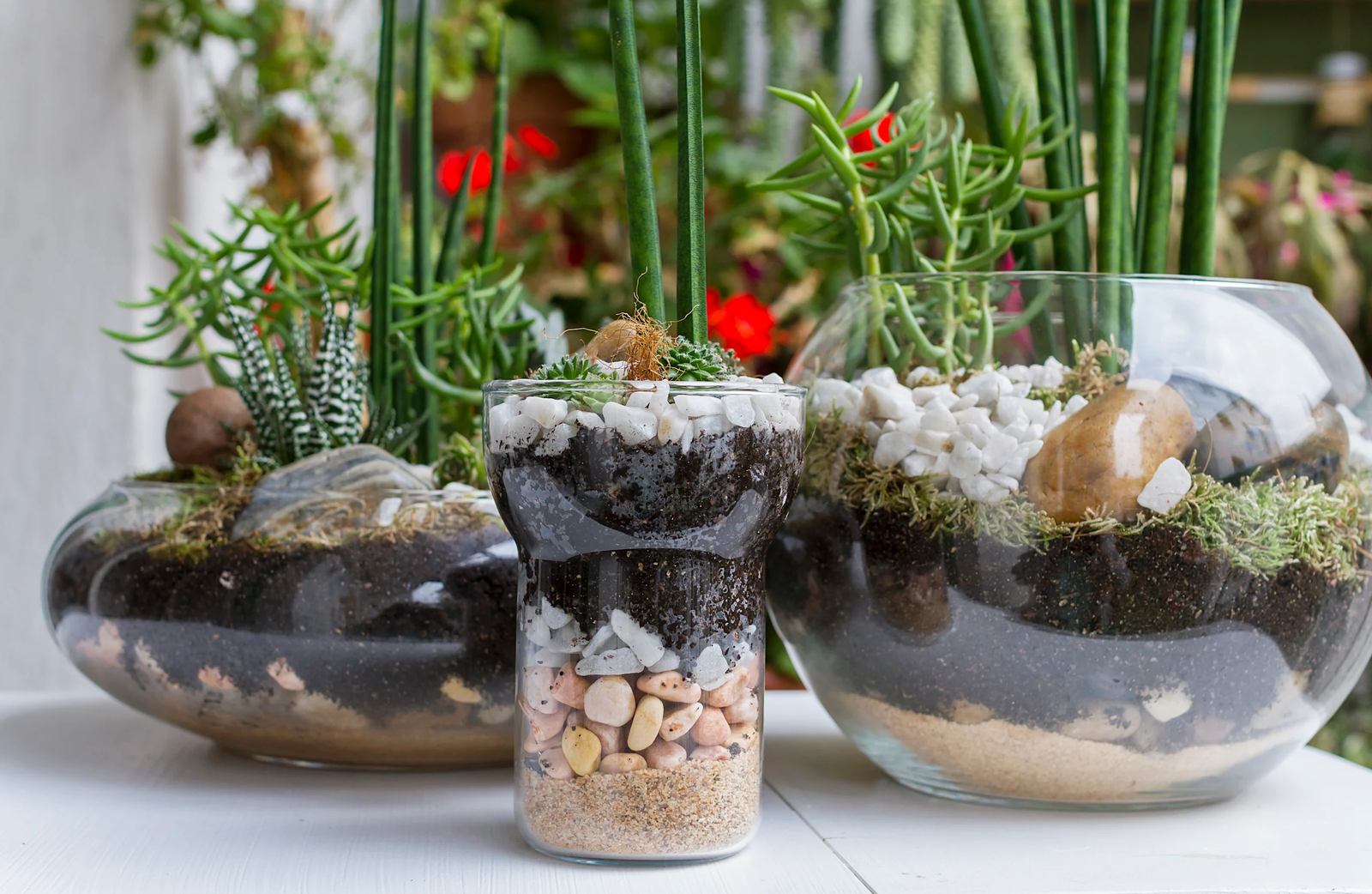
Glass Bowl Garden
Open glass container with layered soil.
Wall Shelf Garden
Small pots placed on shelves.
Step 10 Plant Combination System
Plants must be grouped based on needs.
Same Water Requirement
Keep similar plants together.
Same Light Requirement
Match plants with same light needs.
Size Balance
Avoid mixing large and small plants without spacing.
Step 11 Growth Control
Succulents grow slowly but need control.
Method
- Remove overgrown leaves
- Adjust spacing when needed
- Repot if container becomes small
Step 12 Drainage Importance
Drainage controls water balance.
Problem Without Drainage
- Water stays in soil
- Roots become weak
Solution
- Use pots with holes
- Add drainage layer at bottom
Step 13 Propagation in Mini Gardens
Succulents can grow new plants from leaves.
Method
- Remove leaf from parent plant
- Place on dry soil
- Wait for root formation
Step 14 Seasonal Care
Summer
- Slight increase in watering
- Monitor soil drying
Winter
- Reduce watering
- Avoid cold exposure
Rainy Season
- Avoid excess water
- Improve drainage
Step 15 Indoor Mini Garden Setup
Location
- Table tops
- Window areas
- Office desks
Care Focus
- Light balance
- Controlled watering
- Air movement
Step 16 Outdoor Mini Garden Setup
Location
- Balcony corners
- Garden edges
- Patio areas
Care Focus
- Rain protection
- Sunlight exposure
- Soil drainage
Step 17 Common Problems in Mini Gardens
Overwatering
Causes root damage and plant loss.
Poor Light
Slows growth and affects shape.
Crowding
Limits airflow and space.
Wrong Soil
Causes water imbalance.
Step 18 Recovery Method
Step 1
Stop watering if soil is wet.
Step 2
Move to light area.
Step 3
Remove damaged parts.
Step 4
Improve soil condition.
Step 5
Monitor weekly.
Step 19 Beginner Mistakes
Watering Without Checking Soil
Leads to imbalance.
Using Closed Containers
Stops drainage.
Ignoring Plant Growth
Leads to overcrowding.
Wrong Plant Mixing
Causes care mismatch.
Step 20 Building Simple System
Step 1
Choose container and soil.
Step 2
Select compatible succulents.
Step 3
Arrange plants with space.
Step 4
Water only when soil is dry.
Step 5
Maintain weekly check.
Long Term Care
Mini succulent gardens remain stable when:
- Soil is maintained
- Water is controlled
- Light is balanced
- Plants are spaced properly
Conclusion
Mini succulent gardens are simple plant systems that depend on soil, water, light, and arrangement. Beginners can build them in small spaces with basic planning.
When watering is controlled and plants are grouped correctly, mini gardens can remain stable over time. The system works best when care is based on observation instead of fixed routines.